INORGANIC FARMING
INORGANIC FARMING:
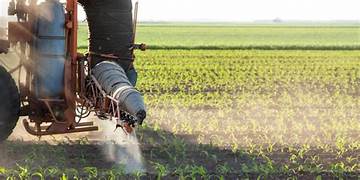
Inorganic farming, more commonly referred to as non-organic farming, is the contrasting method of agriculture to organic farming. Non-organic farming uses pesticides, chemicals and synthetic fertilizers to grow produce for human and livestock consumption.
Inorganic farming is an agriculture technique that uses artificial fertilizers,pesticides,and herbicides to grow plants.it is a type of farming that relies on chemicals and is commonly called chemically-intensive farming or industrial agriculture in contrast to organic farming,which is a style of farming that relies on natural fertilizers and pesticides.
ADVANTAGES:
1.The main benefit is that inorganic farming is much less time-consumption than organic farming.
2.Inorganic farming is low cost and potential use of pesticides and herbicides.
3.Inorganic farming is often used in regions withs high popoulation density where there is a need for increased food production
4.It minimizes the use of pesticides and fertilizers,which means there are fewer environment side effects.
DISADVANTAGES:
1.The main disadvantage of inorganic farming is the soil's health and fertility.
2.Inorganic fertilizers can cause soil erosion and desertification.They can also cause an excess of nitrogen in the soil,which causes an imbalance of the soil's natural population of bacteria.This in turn leads to soil degration,which can lead to an increase in the number of agricultural diseases.
3.It can use up to 500 times more water than organic farming,it can release harmful greenhouse gases into the atmosphere,it can damage soil,and it can pollute the water.
4.It uses chemicals,which can lead to human health problems.
5.The other disadvantage of inorganic farming are that the crops are not sustainable and the use of pesticides is not sustainable.If the crops are not sustainable,the they will not be able to grow in the future.